What is kinesiotherapy tape?
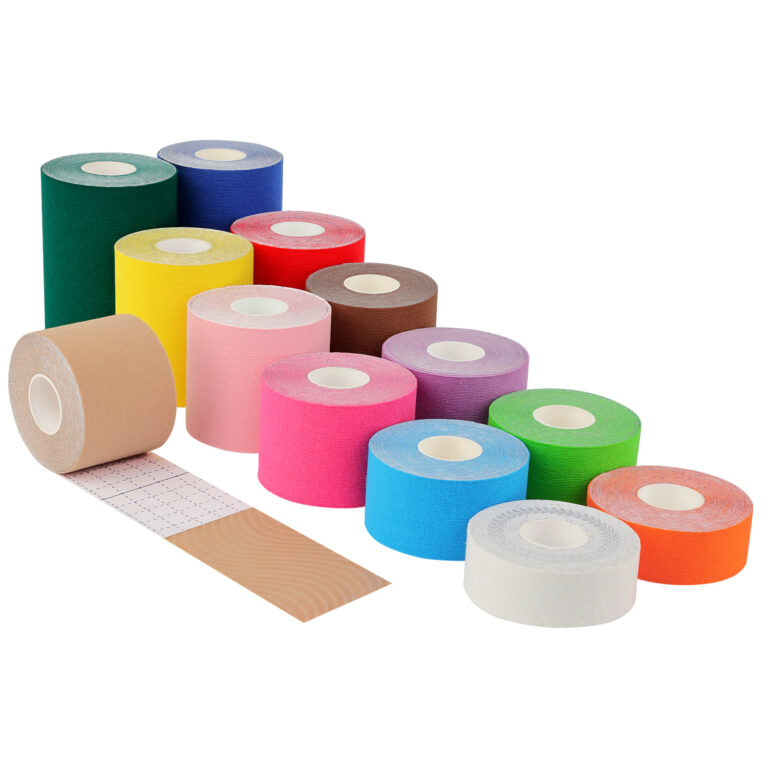
kinesiotherapy tape, often called kinesiology tape or muscle tape, is a type of elastic, high-quality cotton tape coated with an acrylic adhesive. When applied using a scientifically sound method, it provides physical therapy benefits, helping to relieve pain and discomfort caused by sports injuries and other physical problems.
Decades of success with kinesiology tape have validated the concept proposed by Japanese chiropractor Dr. Kenzo Kase in the 1970s. His revolutionary idea developed tape that effectively helped patients suffering from sports injury pain continue to benefit after leaving the clinic. Today, kinesiotherapy tape therapy has evolved into a simple and easy-to-use treatment tool, widely used in the rehabilitation of children, young adults, and the elderly.
In this guide, we will delve into the science behind kinesiotherapy tape, its mechanism of action, advantages and disadvantages, and how to use it. We will also introduce WEMADE, a well-known company that produces high-quality kinesiotherapy tape and sells it in over 30 countries.
How does kinesiotherapy tape work?
The Science Behind the Tape
You need to look at a few distinct bodily systems to understand how kinesiology tape works:
Effects on the Central Nervous System (CNS): When kinesiotherapy tape is put on the skin with varied amounts of stretch, it creates a mechanical stimulus that activates afferent pathways to the CNS. This sensory input can alter the brain’s perception of pain and movement.
Skin-Level Mechanisms: The tape that is put on with low stretch changes the density and concentration of tissue in the dermis and epidermis. When this mechanical input is translated into electrical impulses through a process called mechanotransduction, it can make cells react in ways that help them repair.
Fascia and Soft Tissue: kinesiotherapy tape puts stress on the fascia, which is the connective tissue that surrounds muscles and organs. By modifying the tension parameters, the tape makes it easier for the fascia to move. This helps the body get back to its normal state of balance, or homeostasis.
Outcomes on the Lymphatic and Circulatory Systems: One of the most common clinical outcomes is that the tape can assist in reducing swelling. Kinesiotherapy tape helps open microvalves in the lymphatic system by raising the skin and changing the pressure. This makes lymph move through the dermis. This reduction of pressure helps the tissues become less swollen and inflamed.
Chandi Edmonds, a physical therapist at Tufts University, explains, “It is an elastic therapeutic tape that, when placed, has the objective of promoting extra circulation of the fluids in the body that increased due to swelling and pain. Others claim it helps muscles operate better.
What are the major benefits of kinesiotherapy tape?
Common Uses for Therapy
The kinesiology tape Method argues that the tape is supposed to aid with four primary things:
1. Pain Relief: The tape lifts the skin, which, according to the “gate control theory,” lessens the pressure and nerve stimulation that make pain feel genuine.
2. Better Blood Flow: The tape makes room between skin layers, which aids blood and lymphatic drainage. This speeds up the healing of swelling and inflammation.
3. Better Muscle Function: Kinesiotherapy tape can help weak muscles or stop overactive ones, which helps muscles work better.
4. Support and Correction for Joints: Kinesiotherapy tape gives your joints moving support while allowing you to move safely and effectively. This is not the same as rigid sports tape, which blocks all movement. This makes it great for things like patellofemoral pain syndrome, shoulder impingement, and weak ankles.
You can wear the tape all the time for 3 to 5 days, even when you shower or sweat, and it will still work.
Who Can Use Kinesiotherapy Tape?
Not just top athletes
Olympic athletes made kinesiotherapy tape more popular, although it may be used for a lot more than only sports medicine:
People Who Play Sports or Work Out: To avoid getting harmed, do better, and heal faster from shin splints, runner’s knee, IT band disorders, and muscle strains.
Using kinesiology tape appropriately may help people who have chronic pain, like arthritis, tendonitis, or lower back pain.
Patients After Surgery: kinesiotherapy tape is being used more and more in rehab programs to help reduce swelling and speed up the healing of tissues.
Children and the Elderly: Even babies who have trouble moving around and elderly patients with sensitive skin can benefit from tape, provided the right measures are taken and the right tape is chosen.
Pregnant Women: If you put the tape in the appropriate places, it can help with pain that comes with being pregnant, including sciatica.
What is the right way to apply kinesiotherapy tape?
Basic Guidelines for Using
Follow these guidelines based on facts to achieve the greatest results:
Get Your Skin Ready: To make sure the product stays well, your skin has to be clean, dry, and free of oils and lotions. Cutting or pulling out body hair might help you touch better.
Round the Edges: Cutting rounded corners protects the edges from peeling too soon and makes them last longer.
Use the Right Tension: One of the most significant things about the Kinesio Taping Method is that the tape is usually put on with little or no stretching at the ends (anchors). The middle region, however, may use varied tensions depending on what the therapy is trying to do. extending more affects deeper tissues like ligaments and tendons, whereas extending less affects the surface layers.
Turn on the glue: After you put the kinesiology tape on, rub it hard to make it hot and turn on the glue that reacts to heat.
Don’t push yourself too hard; “less is more” is an excellent tip to follow. Stretching too much can hurt the skin and make the treatment less effective.
Forms for the Common Application
I-strip: Easy support along muscle fibers
Y-strip: For muscles that need different kinds of help
X-strip: For getting over hard times or crossing joints
Fan form: This design is perfect for emptying fluid and decreasing edema.
What are the safety precautions and limits?
Things to Keep in Mind
Not a Standalone Fix: Kinesiotherapy tape is not a replacement for full medical care; it is just an added tool. One doctor claimed, “No tape can make anyone run faster, jump higher, or lift more weight. ” A body can do what it can do, but taping might make people feel better or less agitated.
Mixed Scientific Evidence: A lot of patients and doctors report they feel better, but the science is still mixed. Meta-analyses show that pain relief is real, but they also show that objective measures like knee function or proprioception only get a bit better. Many people think that the evidence isn’t strong enough to prove the physiological mechanisms, yet the subjective benefits are widely accepted.
Don’t use kinesiotherapy tape on:
Infections, rashes, lesions, or open wounds on the skin
Places where cancer or malignancy is active
Blood clots or deep vein thrombosis
Where cellulitis is seen
Anyone who is pregnant or has diabetes, heart difficulties, or kidney disease should consult their doctor before using this. Putting on a protective layer like milk of magnesia before putting on tape can stop microtears when you take it off if you have sensitive skin, such as older individuals or babies.
Why should you choose WEMADE to produce your kinesiotherapy tape?
Great Factory
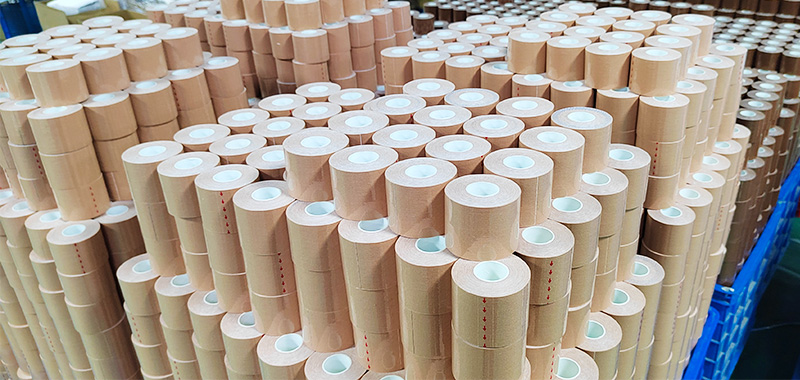
Wuxi Wemade Healthcare Products Co., Ltd., also known as WEMADE, has been creating sports tape for more than ten years and is currently one of the best in the business. Our commitment to quality, fresh ideas, and happy customers has made us a valued partner for people all over the world.
Pros of Manufacturing:
High-Quality Materials: 95% high-quality cotton and 5% elastic synthetic fiber for the optimum stretch and comfort
Medical-Grade Adhesive: These solutions are safe for sensitive skin because they don’t have any latex or other allergens in them.
Best Elasticity: It can stretch 150–170% of its length, which is how skin and muscles move naturally.
Full Certifications: It meets the criteria for medical devices set by the EU, ISO9001, and ISO13485.
Waterproof and Breathable: The wave-pattern adhesive helps skin breathe while still holding on tight.
Many Colors and Sizes: Available in 18 vibrant colors and widths of 2.5, 3.8, 5, and 10 cm.
A Full Range of B2B Services
WEMADE is one of the greatest places in the world to buy sports kinesiology tape. They also offer complete solutions for businesses all around the world:
OEM/ODM Customization: Create your brand with private labeling, custom colors, and packaging with your brand name on it.
Factory-Direct Wholesale Pricing: Great prices for customers who buy a lot
Free Samples: Make sure the quality is good before you buy a bunch of them.
Fast Delivery: 2 to 10 business days once the order is confirmed
Global Reach: More than 30 countries, including the US, Europe, Southeast Asia, Japan, and South Africa, have received it.
WEMADE can handle orders of any size and still make sure the quality is great. They have a sophisticated building that is 20000 square meters and can create 30,000 rolls every day.
Questions that people often ask
How long can you wear kinesiotherapy tape?
Good tape can endure for 3 to 5 days, even through showers and sweating, if you use it right.
Is it okay for kinesiotherapy tape to become wet?
Yes, good kinesiotherapy tape is meant to keep water and perspiration out. It stays adhered to the skin while you move about and lets the skin breathe.
Can I put kinesiotherapy tape on my own body?
Many people can successfully self-apply after seeing instructional videos for minor muscle pain or other little issues. But if the problem is more complicated, it’s advisable to go to a specialist.
Does the tape’s color matter?
There is no variation in color between physical or molecular levels. The choice is only based on looks or color treatment.
What makes kinesiotherapy tape different from regular athletic tape?
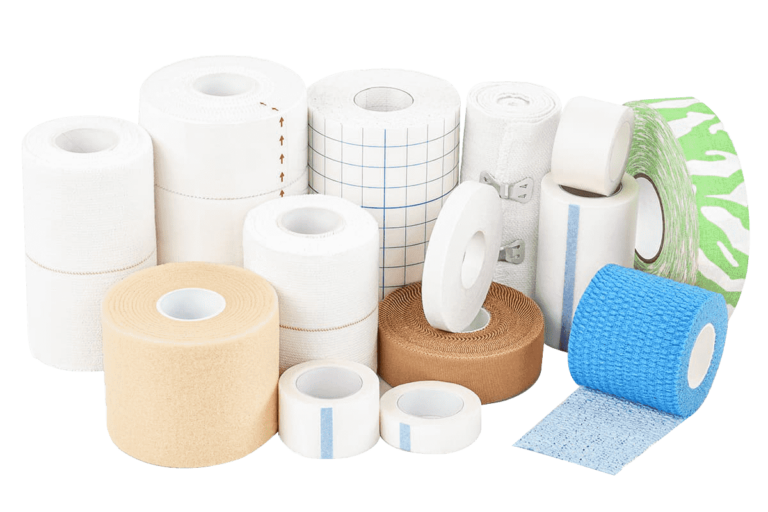
Rigid sports tape doesn’t stretch and is supposed to restrict joints from moving by wrapping tightly around them. Kinesiotherapy tape is elastic, simple to put on, and engineered to help you move while still letting you move your full body.
Finally
Kinesiotherapy tape is a really interesting mix of biomechanics, neurophysiology, and real-life rehabilitation. Scientists are still talking about how it works, but millions of athletes, patients, and doctors who use it think it is a helpful treatment.
Chandi Edmonds, an expert in physical therapy, says, “Anecdotally, athletes like it, patients like it… I know I feel better when I use it for my own muscular strains, and many of my patients have had benefits, both children and adults.”
If you’re a healthcare provider seeking reliable products for your clinic, a distributor wanting to market your brand, or an athlete looking for good help, the choice of manufacturer is vital. WEMADE creates kinesiotherapy tape you can trust by using high-quality materials and offering services that may be tailored to your needs.