In den dynamischen Bereichen Sport und Rehabilitation ist weißes Sportband ein Werkzeug, auf das sich Profis wie Amateure einig sind. Es wird oft für Handgelenke, Knöchel und Knie verwendet, eignet sich aber für viel mehr. Dieser Leitfaden entstand in Zusammenarbeit mit Experten von WIR MACHTEN , um die Bedeutung dieses Schlüsselverbands, seine Wirksamkeit und den richtigen Einsatz zu erläutern.
Wann verwendet man weißes Sportband?
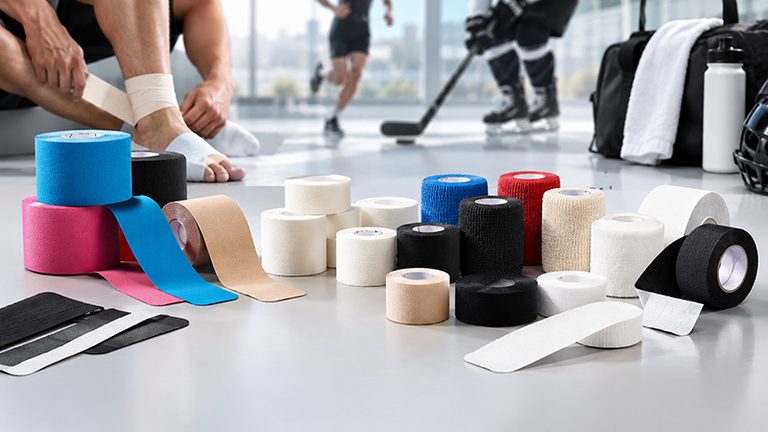
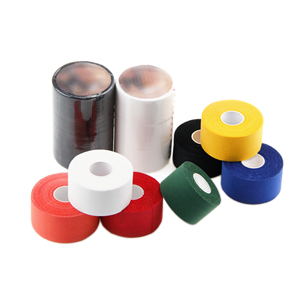
Weißes Sportband, auch bekannt als Zinkoxidband oder Verletzungstape, ist essenziell in Medizinertaschen und Sporttaschen zur Stütze und Stabilisierung von Gelenken. Elastische Kinesiologieband aus Baumwolle und Kinesio-Pflaster sind weitere Varianten von Sportband . Doch diese unterscheiden sich vom weißen Zinkoxid-Tape. Es ist inelastisch und haftet fest.
Weißes Sportband wird hauptsächlich für drei Zwecke eingesetzt:
Verletzungsprävention: Sportverletzungstapes verhindern Verstauchungen und Zerrungen, indem sie schwache Gelenke wie Knöchel und Handgelenke bei intensiven oder unvorhersehbaren Aktivitäten stabilisieren. Sie schonen Bänder und begrenzen riskante Bewegungen.
Verletzungsmanagement und Rehabilitation: Weißes Zinkoxid-Tape ist entscheidend bei frischen Verletzungen wie leichten Knöchelverstauchungen oder Handgelenkszerrungen. Es stabilisiert das Gelenk, schont verletzte Bänder oder Sehnen, fördert die Heilung und verhindert Folgeschäden bei unbeabsichtigter Belastung.
Psychologisches Vertrauen: Ein sicheres, festes Verletzungstape vermittelt Halt. Diese „psychologische Rüstung“ steigert das Selbstvertrauen, verbessert die Konzentration auf Training oder Reha und mindert Ängste vor Gelenkverletzungen.
Wirkung von weißem Sportband
Richtig angewandtes weißes Sportband entfaltet physische und biologische Effekte. Seine starre Struktur wirkt durch
Begrenzung der Gelenkbewegung: Es schränkt risikoreiche Bewegungen direkt ein oder verhindert deren Verschlimmerung – etwa übermäßige Eversion (nach innen Kippen) am Knöchel.
Verbesserte Propriozeption: Das weiße Sportband verbessert die Positionswahrnehmung der Gelenke. Diese gesteigerte neuronale Rückmeldung fördert Stabilität und Motorkontrolle.
Druckausübung: Bei korrekter Wicklung über Polstern oder Verbänden erzeugt es sanften Druck, der Schwellungen bei akuten Verletzungen vorbeugt.
Stütze schwacher Strukturen: Es fungiert als externes Band für gelenknahe Muskelschwäche durch alte Verletzungen oder instabile Bänder und entlastet körpereigene Gewebe.
Anwendung von weißem Sportband
Korrekte Anwendung ist entscheidend. Falsches Wickeln kann schaden oder wirkungslos sein. Beginnen Sie immer mit sauberer, trockener Haut. Bei empfindlicher Haut oder Langzeittrage wird ein sportliche Vorverpackung empfohlen. Hier fünf einfache Techniken für weißes Sportband:
Knöchelstabilisierung (Achtfigur): Die häufigste Methode. Fixieren Sie das Band am Fußrücken. Führen Sie eine Achtfigur: Von der Fußinnenkante vorne übers Sprunggelenk, hinten um die Ferse und zurück. So wird die Ferse gehalten und die seitlichen Knöchelstrukturen gestützt.
Handgelenksstütze beim Gewichtheben: Zur Stabilisierung bei Pressen oder Gewichthebendas Handgelenk horizontal halten. Band am Unterarm fixieren, dann vom Handrücken ums Gelenk wickeln und am Ankerpunkt sichern, um Überstreckung zu verhindern.
Daumenimmobilisation: Bei Daumenverstauchung oder stenisierender Tenosynovitis des radialen Processus styloideus. Band am Handgelenk fixieren, spiralförmig zum Daumengelenk und zurück. So entsteht eine Bewegungseinschränkung.
Geschlossenes Geflecht: Diese fortgeschrittene Methode wird häufig angewendet, wenn das mediale Kollateralband (MCL), das laterale Kollateralband (LCL) oder ein anderes kleines Körperteil verletzt ist. Sie verwendet ein kreuz und quer verlaufendes „Geflecht“-Muster aus überlappenden Bändern, die um das Knie gewickelt werden. Oben und unten werden sie mit horizontalen „geschlossenen“ Bändern fixiert, die das Knie in alle Richtungen stabilisieren.
Verhinderung von Fußblasen: Eine weiße Sportbinde kann auf der Ferse und im Vorfuß als schützende Schicht im Schuh verwendet werden. Dies hilft bei langen Läufen oder Spaziergängen, die Binde unterstützt jedoch nicht die Gelenke.
Wichtig: Dies sind gängige Anwendungen, doch die richtige Technik ist entscheidend. Bei einer Verletzung sollten Sie sich beim ersten Mal von einem qualifizierten Sporttrainer oder Physiotherapeuten in die Anwendung einweisen lassen.
Die weiße Sportbinde ist ein zuverlässiges Werkzeug, doch Sie müssen wissen, wie man sie einsetzt, um sie zu einem nützlichen Helfer zu machen.
Wikipedia-Erklärung zu weißem Sportband