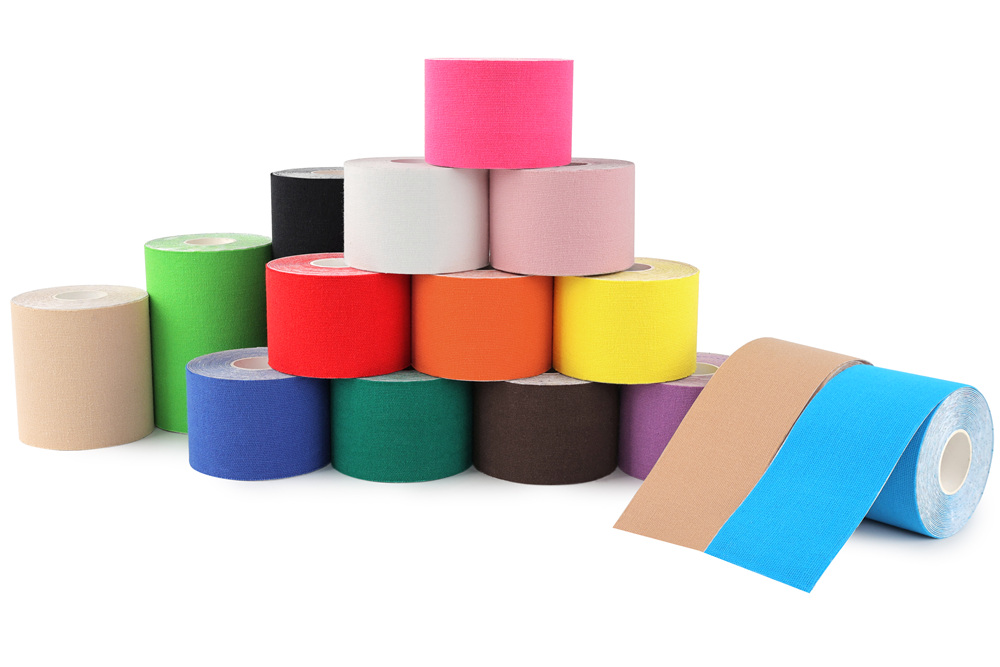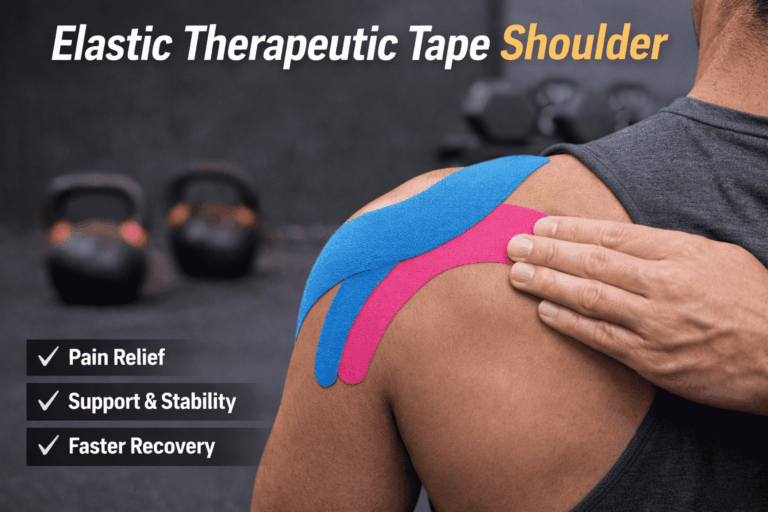
It’s common to see 분홍색 운동 테이프 on the shoulder of a sprinter or the knee of a volleyball player. But there is still a big question: does it really work? Its bright color and meaning are interesting, but does it really work? For the last twenty years, a lot of clinical studies have been done in the US and throughout the world to find out if pink kinesiology tape and similar items really work. The conclusions offer a nuanced viewpoint that endorses its utilization while clarifying its actual importance in sports medicine.

The Basic Agreement: Not Just a Placebo
At first, several people were skeptical and called kinesiology tape a “trendy placebo.” However, collective clinical evidence has predominantly refuted that belief by evidencing significant physiological outcomes. The consensus from systematic reviews and meta-analyses results in the following principal conclusions:
Effective Pain Modulation: The pink athletic tape’s capacity to reduce pain in the short term is among the most significant and reliably documented outcomes in studies undertaken in the United States, Europe, and Asia. This may lower pressure on nociceptors (pain receptors) and increase blood flow in the area.
Improved proprioception and joint position awareness: A lot of research, especially on athletes, shows that elastic 치료 테이프 can help proprioception, which is the body’s ability to know where it is in space. This is highly important for avoiding injuries and helping people heal. For instance, studies on ankle injuries show that taping can improve postural stability and joint awareness, giving the athlete useful sensory feedback.
The effects on strength and range of motion are not the same for everyone. Some studies show small gains in muscle activation or range of motion, but these effects are usually small and don’t happen in all muscle groups all the time. People don’t think that the pink athletic tape actually improves performance by making you stronger. Instead, they think it helps muscles work better in some situations, especially when pain is involved.
Different Points of View and Limitations
Sometimes, international and domestic research focus on distinct things. Western studies frequently use a more strict, scientific manner to try to separate the effects of the pink athletic tape from psychological factors. They often come to the conclusion that pain modulation is a real thing, but more high-quality studies are needed to figure out how it affects muscle strength and lymphatic drainage (for edema).
Studies from East Asia, the birthplace of kinesiology tape, now widely used in clinical settings, typically show favorable results in functional rehabilitation, including enhanced walking in stroke patients and decreased edema. This difference could be due to differences in how the recording is used and how people see treatment.
Researchers unanimously agree on two main problems:
The Technique is Important: How it is used has a big effect on how well it works. The direction of the stretch, the amount of strain on the pink athletic tape, and the exact cutting pattern (such as “I,” “Y,” or “X” forms) are all very important. It won’t work very well if you don’t use it correctly.
An Adjunct, Not a Cure-All: Everyone in the medical field agrees that pink athletic tape works best when used with additional tools. It is not a treatment on its own, but it is a useful addition to a full rehabilitation program that includes exercise, manual therapy, and strength training.
Turning Research Into Useful Goods
The clinical conclusion that the quality of the procedure and the pink athletic tape depend on each other means that professionals must make them. If a tape stops sticking, becomes less elastic, or irritates the skin, it won’t give you the biomechanical benefits shown in the study, making the best way to utilize it useless.
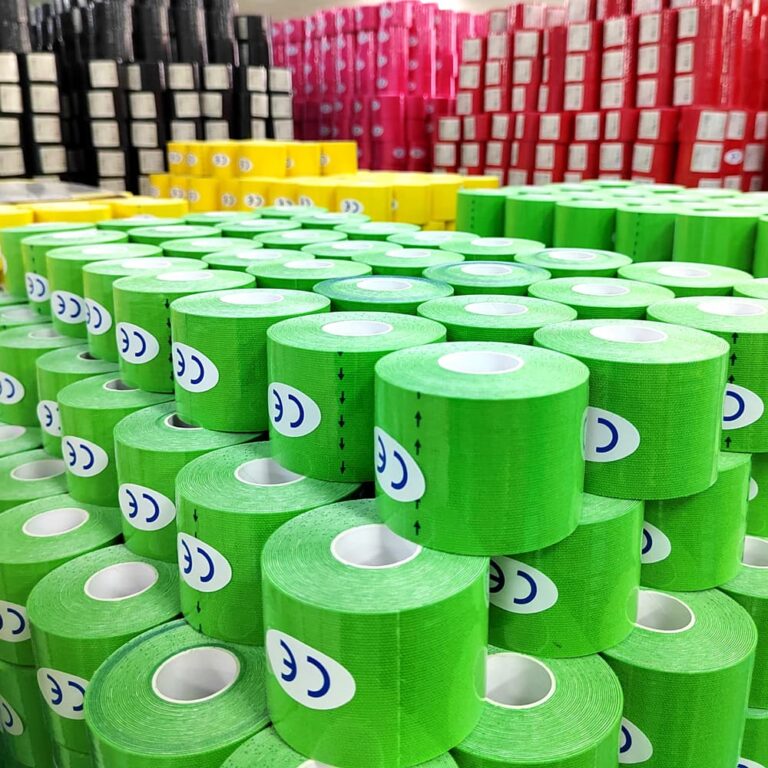
This is the main idea behind 우리가 만들었다, a firm that professional 운동 요법 테이프 제조업체. We make our pink sports tape to the same high standards that clinical research shows:
Precision Elasticity: Our pink athletic tape stretches dependably to a medical-grade level (usually 140–160% elongation), accurately mimicking the skin’s elasticity and giving the therapeutic lift shown by study.
Hypoallergenic Adhesive: Made to stay stuck even when you sweat and move around, while lowering the chance of skin irritation. This makes sure that the pink athletic tape works well throughout training or competition.
Breathable Fabric: This material lets air flow through it and is flexible in all directions, which makes it comfortable to wear for long periods of time, which is important for proprioceptive input and pain management.
Your Partner in Performance-Based on Evidence
The first thing that sports organizations, clinics, and brands need to do is comprehend what these studies found. The next step is to choose a good product that follows these rules. WEMADE helps with this trip in more ways than just giving resources.
We have full-service bulk order programs for colleges, hospitals, and sports teams to make sure they always have access to high-quality tape. Also, our OEM/ODM services let brands and therapists build their own line of elastic therapeutic tapes that are backed by research. We turn ideas from the clinic into real, branded products. We can help you whether you need a certain shade of pink physiotherapy tape, bespoke printing of your clinic’s logo, or special packaging.
In short, international clinical research on pink athletic tape agrees that it works well as a pain reliever and improves proprioception. They also stress that it should be part of a complete treatment plan. Two things make this scientific discovery useful for athletes in real life: the ability to use it correctly and the fact that the result is always of high quality. By choosing a company like WEMADE, which focuses on careful engineering based on the data, professionals can be sure that these high-quality muscular pain relief strips will work with modern sports medicine regimens.